
SIIT

Research

This research develops a comprehensive framework to assess the reusability of structural steel from existing buildings in Thailand. By addressing current methodological gaps and a lack of specific standards, the study identifies.

Reusability Assessment of Structural Steel in Existing Buildings

Category 01

Reusability Assessment of Structural Steel in Existing Buildings

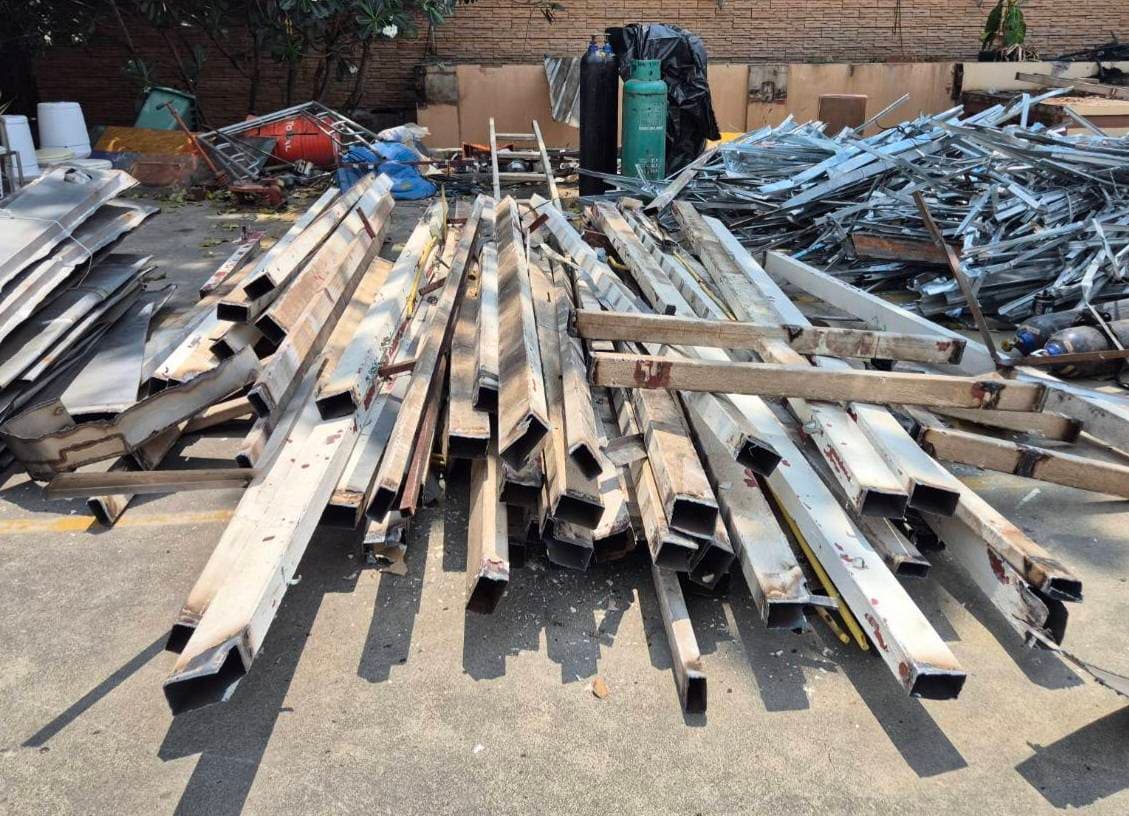
This research develops a comprehensive framework to assess the reusability of structural steel from existing buildings in Thailand. By addressing current methodological gaps and a lack of specific standards, the study identifies key technical challenges, criteria, and evaluation parameters. Ultimately, this framework aims to promote circular economy practices, guide new infrastructure development, and drive the sustainable reuse of steel within the Thai construction industry.

Reusability Assessment of Materials and Components of Existing Buildings

Category 02

Reusability Assessment of Materials and Components of Existing Buildings

This study explores the potential for reusing materials from end-of-life buildings in Thailand under the Circular Economy framework. Through stakeholder interviews, the research identifies key barriers to adoption, including the absence of legal frameworks, insufficient economic incentives, and low consumer trust. To overcome these challenges, the study proposes actionable recommendations—such as establishing reuse-specific legislation, promoting Design for Disassembly, and offering financial incentives—to transition material reuse from isolated efforts into a standardized, sustainable practice across the Thai construction industry.

Evaluating the Performance of Generative AI in Risk Analysis: Enhancing Risk Management Efficiency and Accuracy in Construction Management

Category 03

Evaluating the Performance of Generative AI in Risk Analysis: Enhancing Risk Management Efficiency and Accuracy in Construction Management

This study evaluates the potential of generative AI models (ChatGPT-4, Copilot, and Gemini) to enhance risk analysis efficiency and accuracy in complex construction environments. Utilizing real-world data—including engineering drawings, Bills of Quantities (BoQ), and Environmental Impact Statements (EIS)—the research applies a three-phase methodology: data compilation, AI-driven analysis, and systematic expert evaluation. By benchmarking the models across criteria such as accuracy, mitigation relevance, and ethical considerations, the findings provide a clear comparative framework and actionable insights for integrating generative AI into existing construction risk management systems.

Implementation of Circular Economy in Thai Construction Industry

Category 01

Implementation of Circular Economy in Thai Construction Industry

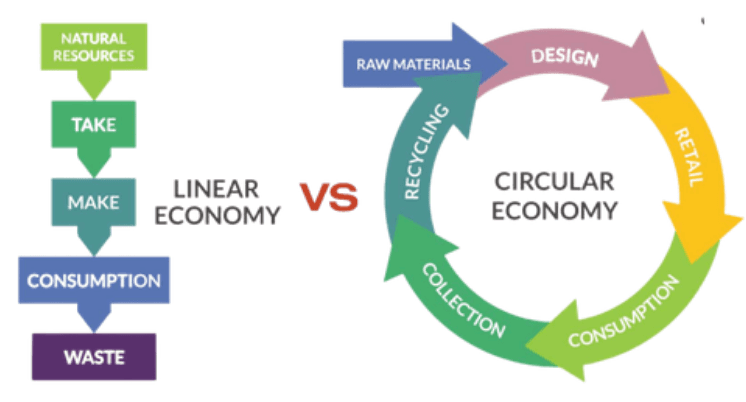
This study investigates the implementation of Circular Economy (CE) principles within the Thai construction industry, focusing on key stakeholders including contractors, owners, and manufacturers. By utilizing literature reviews, case studies, and stakeholder interviews, the research evaluates current practices and knowledge gaps. Ultimately, this work aims to drive a transformative shift toward a more resilient, resource-efficient, and sustainable sector.

Reusability Assessment of Structural Steel in Existing Buildings

Category 01

Reusability Assessment of Structural Steel in Existing Buildings

This research develops a comprehensive framework to assess the reusability of structural steel from existing buildings in Thailand. By addressing current methodological gaps and a lack of specific standards, the study identifies key technical challenges, criteria, and evaluation parameters. Ultimately, this framework aims to promote circular economy practices, guide new infrastructure development, and drive the sustainable reuse of steel within the Thai construction industry.

Reusability Assessment of Materials and Components of Existing Buildings

Category 02

Reusability Assessment of Materials and Components of Existing Buildings

This study explores the potential for reusing materials from end-of-life buildings in Thailand under the Circular Economy framework. Through stakeholder interviews, the research identifies key barriers to adoption, including the absence of legal frameworks, insufficient economic incentives, and low consumer trust. To overcome these challenges, the study proposes actionable recommendations—such as establishing reuse-specific legislation, promoting Design for Disassembly, and offering financial incentives—to transition material reuse from isolated efforts into a standardized, sustainable practice across the Thai construction industry.

Evaluating the Performance of Generative AI in Risk Analysis: Enhancing Risk Management Efficiency and Accuracy in Construction Management

Category 03

Evaluating the Performance of Generative AI in Risk Analysis: Enhancing Risk Management Efficiency and Accuracy in Construction Management

This study evaluates the potential of generative AI models (ChatGPT-4, Copilot, and Gemini) to enhance risk analysis efficiency and accuracy in complex construction environments. Utilizing real-world data—including engineering drawings, Bills of Quantities (BoQ), and Environmental Impact Statements (EIS)—the research applies a three-phase methodology: data compilation, AI-driven analysis, and systematic expert evaluation. By benchmarking the models across criteria such as accuracy, mitigation relevance, and ethical considerations, the findings provide a clear comparative framework and actionable insights for integrating generative AI into existing construction risk management systems.

Implementation of Circular Economy in Thai Construction Industry

Category 01

Implementation of Circular Economy in Thai Construction Industry

This study investigates the implementation of Circular Economy (CE) principles within the Thai construction industry, focusing on key stakeholders including contractors, owners, and manufacturers. By utilizing literature reviews, case studies, and stakeholder interviews, the research evaluates current practices and knowledge gaps. Ultimately, this work aims to drive a transformative shift toward a more resilient, resource-efficient, and sustainable sector.

Reusability Assessment of Structural Steel in Existing Buildings

Category 01

Reusability Assessment of Structural Steel in Existing Buildings

This research develops a comprehensive framework to assess the reusability of structural steel from existing buildings in Thailand. By addressing current methodological gaps and a lack of specific standards, the study identifies key technical challenges, criteria, and evaluation parameters. Ultimately, this framework aims to promote circular economy practices, guide new infrastructure development, and drive the sustainable reuse of steel within the Thai construction industry.

Reusability Assessment of Materials and Components of Existing Buildings

Category 02

Reusability Assessment of Materials and Components of Existing Buildings

This study explores the potential for reusing materials from end-of-life buildings in Thailand under the Circular Economy framework. Through stakeholder interviews, the research identifies key barriers to adoption, including the absence of legal frameworks, insufficient economic incentives, and low consumer trust. To overcome these challenges, the study proposes actionable recommendations—such as establishing reuse-specific legislation, promoting Design for Disassembly, and offering financial incentives—to transition material reuse from isolated efforts into a standardized, sustainable practice across the Thai construction industry.

Evaluating the Performance of Generative AI in Risk Analysis: Enhancing Risk Management Efficiency and Accuracy in Construction Management

Category 03

Evaluating the Performance of Generative AI in Risk Analysis: Enhancing Risk Management Efficiency and Accuracy in Construction Management

This study evaluates the potential of generative AI models (ChatGPT-4, Copilot, and Gemini) to enhance risk analysis efficiency and accuracy in complex construction environments. Utilizing real-world data—including engineering drawings, Bills of Quantities (BoQ), and Environmental Impact Statements (EIS)—the research applies a three-phase methodology: data compilation, AI-driven analysis, and systematic expert evaluation. By benchmarking the models across criteria such as accuracy, mitigation relevance, and ethical considerations, the findings provide a clear comparative framework and actionable insights for integrating generative AI into existing construction risk management systems.

Implementation of Circular Economy in Thai Construction Industry

Category 01

Implementation of Circular Economy in Thai Construction Industry

This study investigates the implementation of Circular Economy (CE) principles within the Thai construction industry, focusing on key stakeholders including contractors, owners, and manufacturers. By utilizing literature reviews, case studies, and stakeholder interviews, the research evaluates current practices and knowledge gaps. Ultimately, this work aims to drive a transformative shift toward a more resilient, resource-efficient, and sustainable sector.

Reusability Assessment of Structural Steel in Existing Buildings

Category 01

Reusability Assessment of Structural Steel in Existing Buildings

This research develops a comprehensive framework to assess the reusability of structural steel from existing buildings in Thailand. By addressing current methodological gaps and a lack of specific standards, the study identifies key technical challenges, criteria, and evaluation parameters. Ultimately, this framework aims to promote circular economy practices, guide new infrastructure development, and drive the sustainable reuse of steel within the Thai construction industry.

Reusability Assessment of Materials and Components of Existing Buildings

Category 02

Reusability Assessment of Materials and Components of Existing Buildings

This study explores the potential for reusing materials from end-of-life buildings in Thailand under the Circular Economy framework. Through stakeholder interviews, the research identifies key barriers to adoption, including the absence of legal frameworks, insufficient economic incentives, and low consumer trust. To overcome these challenges, the study proposes actionable recommendations—such as establishing reuse-specific legislation, promoting Design for Disassembly, and offering financial incentives—to transition material reuse from isolated efforts into a standardized, sustainable practice across the Thai construction industry.

Evaluating the Performance of Generative AI in Risk Analysis: Enhancing Risk Management Efficiency and Accuracy in Construction Management

Category 03

Evaluating the Performance of Generative AI in Risk Analysis: Enhancing Risk Management Efficiency and Accuracy in Construction Management

This study evaluates the potential of generative AI models (ChatGPT-4, Copilot, and Gemini) to enhance risk analysis efficiency and accuracy in complex construction environments. Utilizing real-world data—including engineering drawings, Bills of Quantities (BoQ), and Environmental Impact Statements (EIS)—the research applies a three-phase methodology: data compilation, AI-driven analysis, and systematic expert evaluation. By benchmarking the models across criteria such as accuracy, mitigation relevance, and ethical considerations, the findings provide a clear comparative framework and actionable insights for integrating generative AI into existing construction risk management systems.

Implementation of Circular Economy in Thai Construction Industry

Category 01

Implementation of Circular Economy in Thai Construction Industry

This study investigates the implementation of Circular Economy (CE) principles within the Thai construction industry, focusing on key stakeholders including contractors, owners, and manufacturers. By utilizing literature reviews, case studies, and stakeholder interviews, the research evaluates current practices and knowledge gaps. Ultimately, this work aims to drive a transformative shift toward a more resilient, resource-efficient, and sustainable sector.